

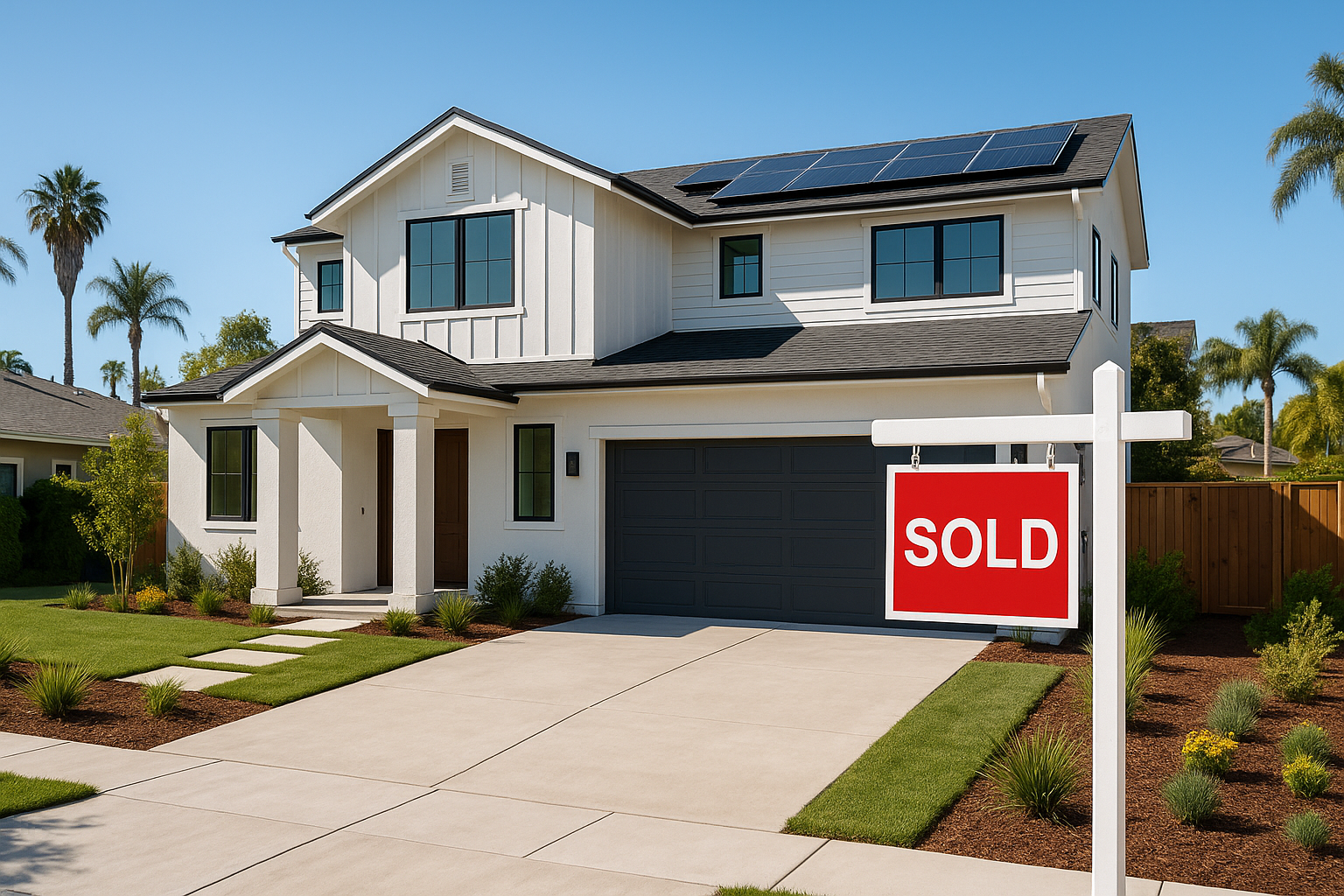
Lincoln, CA, located in fast-growing Placer County, has become a hotbed for new residential development. With its family-friendly neighborhoods, proximity to Sacramento, and competitive pricing compared to coastal markets, Lincoln is attracting both first-time buyers and move-up homeowners.
Developers are responding with a surge in new construction homes, offering modern amenities, energy efficiency, and the ability to customize. But while the aesthetic appeal is obvious, financing a new construction home requires careful planning and a clear understanding of the mortgage process.
Understanding the Types of New Construction Homes
Before diving into financing, it’s crucial to understand the three primary types of new construction homes in the Lincoln market:
Spec Homes
Also known as “inventory homes,” these are built by the builder without a specific buyer in mind. They’re often move-in ready or near completion.
Semi-Custom Homes
You choose from a few floor plans and have some say in features like flooring, cabinets, or counters. These homes are built after you sign the contract.
Custom Homes
Built entirely to your specs, usually on land you own or purchase separately. Custom builds typically require construction-to-permanent financing, which differs from standard mortgages.
Each option has different mortgage implications, especially in terms of timing, interest rate locks, and builder contracts.
The Mortgage Process for New Construction Homes
Financing new construction is more nuanced than buying an existing home. Here’s a simplified step-by-step guide for Lincoln buyers:
- Get Pre-Approved Early
Know your budget before you tour model homes. This also gives you negotiating power with builders. - Choose a Builder and Floor Plan
Once you’ve selected a development, you’ll sign a purchase agreement. Some builders require a deposit or design center upgrades paid out-of-pocket. - Secure a Mortgage Lender
Decide whether you’ll use the builder’s preferred lender or an independent local expert. - Lock Your Interest Rate (When Appropriate)
Rate lock timing is crucial. Many new builds won’t be ready for 6–12 months, so extended locks or float-down options may be needed. - Final Approval and Closing
Once the home is complete and passes inspection, you’ll go through underwriting again to confirm your financial situation is unchanged.
Choosing the Right Mortgage for a New Build
New construction buyers in Lincoln have several loan types available:
Conventional Loans
Great for those with strong credit and down payments of 5% or more. They offer competitive rates and flexibility with new builds.
FHA Loans
Ideal for first-time buyers with lower credit scores. Some new communities are FHA-approved; others are not, so verify early.
VA Loans (Veterans only)
Zero down and no PMI make VA loans an excellent fit. Ensure the builder is VA-approved.
Construction Loans (Custom builds only)
These loans fund the build and convert to a permanent mortgage after completion. Often require larger down payments and more documentation.
Tip: If you’re unsure, work with a local mortgage advisor who understands the nuances of Lincoln’s builder landscape and loan programs.
Builder Incentives: Helpful or Hazardous?
Builders often offer shiny incentives to nudge buyers toward using their preferred lender, such as:
- $10,000 toward closing costs
- Free design upgrades
- Interest rate buydowns
While tempting, these deals often come at a hidden cost like higher mortgage rates, strict loan terms, or inflated home prices.
Smart move: Always compare the total cost of using the builder’s lender vs. a local mortgage pro. Incentives aren’t always the best financial decision long-term.
Key Pitfalls to Avoid When Financing New Construction
Pitfall #1: Not Locking Your Rate in Time
If interest rates rise during your build, your monthly payment could spike unless you secure an extended rate lock early.
Pitfall #2: Making Large Purchases Before Closing
New furniture or a car loan can derail your mortgage approval. Maintain your financial profile from pre-approval to closing.
Pitfall #3: Ignoring HOA Fees or Mello-Roos Taxes
New communities often have HOAs and special assessments. These add to your monthly payment and must be factored into your DTI (debt-to-income) ratio.
Pitfall #4: Skipping a Third-Party Inspection
Even new homes can have flaws. Hire a licensed home inspector before your final walkthrough.
Pitfall #5: Relying Solely on the Builder’s Agent
Their job is to represent the builder, not you. Consider hiring a buyer’s agent to protect your interests.
Working With a Local Lender vs. Builder’s Preferred Lender
Builder lenders may streamline communication but aren’t always the best financial fit. Here’s a quick comparison:
| Local Lender (like Mike Swaleh) | Builder’s Preferred Lender |
|---|---|
| Personalized advice | Volume-driven process |
| Access to multiple loan types | May only offer in-house products |
| Objective recommendations | Builder relationship bias |
| Potentially better rates | May offer flashy incentives |
📌 Pro Tip: Ask both lenders for a Loan Estimate (LE) and compare apples to apples like interest rate, fees, total costs over 5 years.
Lincoln, CA Area Builders to Know
Some of the most active new home builders in Lincoln and Placer County include:
- Lennar – Known for “Everything’s Included®” features.
- Taylor Morrison – Offers semi-custom upgrades and energy-efficient builds.
- JMC Homes – A local favorite with strong reputation for customer service.
- KB Home – Great for first-time buyers with flexible floorplans.
Each builder has unique timelines, deposit requirements, and financing flexibility so it pays to compare before committing.
Why Timing Matters in New Construction Mortgages
One of the biggest challenges in new construction lending is the delayed closing timeline.
Considerations:
- Most rate locks expire in 60–90 days. You may need a long-term rate lock with a float-down option.
- Construction delays (weather, materials, labor) are common — so flexibility matters.
- Your financial profile must remain stable for months. Changing jobs, income, or debt could derail your loan at final underwriting.
Work with a lender who can monitor market shifts and advise on rate lock strategy. Lincoln buyers face unique seasonal and economic fluctuations so be prepared.
The Construction Timeline: What to Expect Month by Month
Understanding the timeline of a new construction home in Lincoln is crucial for financial planning. Most builds take 6 to 12 months, depending on weather, permitting, labor availability, and builder efficiency. Here’s a general breakdown:
Month 1–2: Pre-Construction
- Finalizing floor plan and design options
- Submitting plans to the city for permits
- Clearing the lot and prepping the foundation
Month 3–4: Framing and Mechanical
- Framing the structure
- Installing electrical, plumbing, HVAC
- Initial city inspections
Month 5–6: Interior & Exterior Work
- Insulation, drywall, and painting
- Siding, roofing, and landscaping
- Cabinets, counters, and flooring
Month 7+: Finishing Touches and Walkthroughs
- Final inspections and quality checks
- Buyer walkthroughs and punch lists
- Final appraisal and mortgage approval
Delays are common, so build buffer time into your planning.
Understanding Construction-to-Permanent Loans
For custom homes or lot purchases, buyers in Lincoln may need a construction-to-permanent loan. Here’s how it works:
- Phase 1: Construction Loan
Funds are drawn in stages (called draws) to pay for building costs. You typically pay interest-only during this time. - Phase 2: Permanent Mortgage
Once the home is complete, the loan converts into a standard mortgage like conventional, FHA, VA, or jumbo.
Advantages:
- One closing instead of two
- Predictable long-term payments
- Flexibility to customize a home
Downsides:
- Requires strong credit and higher down payment
- Complex underwriting and more documentation
- Builder must be approved by the lender
Work with a lender experienced in construction lending in Placer County to avoid surprises.
What to Know About Rate Locks for New Construction
Interest rate locks for new builds are more complex than existing homes. That’s because the closing date can be months away, and rates fluctuate daily.
Standard Rate Locks:
- Good for 30–90 days
- Risky if build is delayed
Extended Rate Locks:
- Available for 180+ days
- Often require upfront fees or higher rates
- Some offer “float-down” options to capture lower rates if the market improves
Ask your lender:
- When should I lock?
- What happens if my build is delayed?
- Do you offer float-down protection?
Local lenders in Lincoln who specialize in new construction loans will guide you through timing and strategy.
Appraisals on New Construction Homes: How They Work
New construction appraisals are based on plans and specs, not existing home value. Here’s what you need to know:
- The appraiser uses comps from recently sold nearby new builds
- Features like energy efficiency and solar may be considered
- If the appraisal comes in low, the buyer may need to:
- Pay the difference in cash
- Negotiate with the builder
- Challenge the appraisal
Tip: Avoid over-customizing with costly upgrades that don’t match neighborhood value. Your appraisal is tied to market value, not emotional investment.
The Role of Escrow in New Construction Transactions
Escrow in new construction involves a longer holding period and different fee structures. Here’s how it works:
- Builder’s title company often handles escrow
- Buyer deposits are held until completion
- Escrow may require progress payments if it’s a custom build
- Closing happens after final inspections and lender approval
Make sure to read the escrow instructions carefully. Work with a real estate attorney or knowledgeable agent to ensure the terms protect your interests.
Common Builder Contract Clauses to Watch Out For
Builder contracts are not standard California purchase agreements. They are often one-sided in favor of the builder.
Key clauses to review:
- Price escalation: Allows builder to raise price due to rising material costs
- Change order fees: Charged when you modify design choices
- Completion date wiggle room: Builders often include delays without penalty
- Mandatory use of preferred lender/title: Not always in your best interest
Have an attorney or buyer’s agent review the contract to flag risks. Protect yourself before signing anything.
New Construction Warranties: What’s Covered and What’s Not
Builders usually offer warranties, but coverage varies. Typical tiers include:
- 1-Year Workmanship Warranty – Covers defects in materials or installation (paint, drywall, etc.)
- 2-Year Systems Warranty – Covers plumbing, HVAC, electrical
- 10-Year Structural Warranty – Covers major foundation or framing issues
Warranties often exclude landscaping, appliances (covered by manufacturer), and damage from poor maintenance.
Tip: Read the warranty manual and schedule regular inspections during the warranty period. Most claims must be submitted within specific windows.
Comparing HOA Fees in New vs. Existing Communities
Most new construction homes in Lincoln are part of planned developments which means HOA dues.
Average HOA fees in Lincoln:
- New communities: $90–$180/month
- Existing neighborhoods: $50–$100/month
Higher fees may include:
- Clubhouses, pools, or gated access
- Landscaping or maintenance services
- Community events and reserves
Check:
- What’s included?
- Are there reserve studies and budgets?
- Can fees be raised annually?
HOAs can affect loan eligibility (FHA/VA) and overall affordability.
Mello-Roos and Special Taxes in New Lincoln Developments
Lincoln’s newer neighborhoods often include Mello-Roos — special taxes added to property tax bills to fund schools, roads, and infrastructure.
Key facts:
- Found mostly in post-2000 developments
- Costs range from $1,000 to $4,000/year
- Can last 20–40 years
These taxes are not included in advertised home prices and can impact your DTI ratio.
Ask your agent or lender to get the full property tax breakdown before you sign the purchase contract.
The Impact of Solar Mandates on Financing New Builds
California requires solar panels on most new homes. This can affect your mortgage in several ways:
If you buy the solar system:
- It’s included in the home price
- Increases home value (positive for appraisals)
- Added to your mortgage principal
If you lease the solar system:
- Lower upfront cost
- Monthly lease payment affects DTI
- May complicate future sale or refinance
Discuss solar options with your lender — some mortgage programs treat leased systems differently.
How to Qualify for Down Payment Assistance on New Construction
California offers down payment assistance programs, but not all apply to new builds.
Popular options:
- CalHFA First Mortgage + MyHome Assistance
- GSFA Platinum Program
- Sacramento Housing Redevelopment Agency (SHRA)
Considerations:
- Some builders refuse to allow DPA programs
- Delays or extra paperwork can slow closing
- You must meet income and credit criteria
Ask your lender if they’re approved to offer CalHFA or GSFA loans, and confirm the builder will accept it.
Local Trends: Why Lincoln, CA Is a New Construction Hotspot
Lincoln is one of the fastest-growing cities in Placer County and developers are responding.
Why Lincoln is booming:
- Proximity to Roseville and Sacramento
- Lower land costs = better home value
- New schools, parks, and infrastructure
- Master-planned communities like Twelve Bridges
This growth means more options for buyers but also higher competition, especially in pre-sales. Understanding the local market can help you time your move.
Should You Buy a Quick-Move-In Home or Build from Scratch?
Quick-Move-In (QMI) Homes:
- Pre-selected finishes
- Shorter timelines (30–60 days)
- Lower pricing or incentives
Build from Scratch:
- Customization options
- Longer timelines
- May cost more due to upgrades
If you need to move soon or want a deal, QMI homes are great. If personalization matters, building may be worth the wait.
What Happens If Rates Drop During Construction?
Many buyers fear locking too early and missing out on a better rate. That’s where float-down options come in.
- Offered by some lenders during extended locks
- Typically cost extra (e.g., 0.25% upfront)
- Let you relock at a lower rate once before closing
Confirm:
- Is there a float-down clause in your rate lock?
- What triggers it? Market rates or lender’s current rate sheet?
This strategy can save thousands over the life of your loan.
Final Thoughts for Lincoln Homebuyers
Buying a new construction home in Lincoln, CA is exciting and can be incredibly rewarding if approached strategically. With the right lender, a realistic timeline, and knowledge of the mortgage process, you can avoid costly missteps and enjoy a smooth path to your brand-new home.
Whether you’re eyeing a turnkey spec home or customizing from the ground up, mortgage strategy matters. Consider working with a local mortgage expert who understands the builders, timelines, and loan options that work best in Lincoln’s competitive market.
FAQs
Can I use an FHA loan for a new construction home in Lincoln, CA?
Yes, but the builder must be FHA-approved. Some new developments limit loan types, so check early with your lender.
How long does it take to close on a new build in Lincoln?
Typically 6–12 months from contract signing, depending on the stage of construction and builder timelines.
Is a home inspection necessary for new construction homes?
Absolutely. Even new homes can have issues. A third-party inspection is highly recommended.
What’s the benefit of using a local lender vs. a builder’s lender?
Local lenders offer personalized advice, more loan options, and objective guidance. Builders may offer perks, but at a long-term cost.
Can I negotiate the price of a new construction home?
Sometimes. Builders are more flexible with upgrades, closing costs, or incentives rather than base price reductions.


