

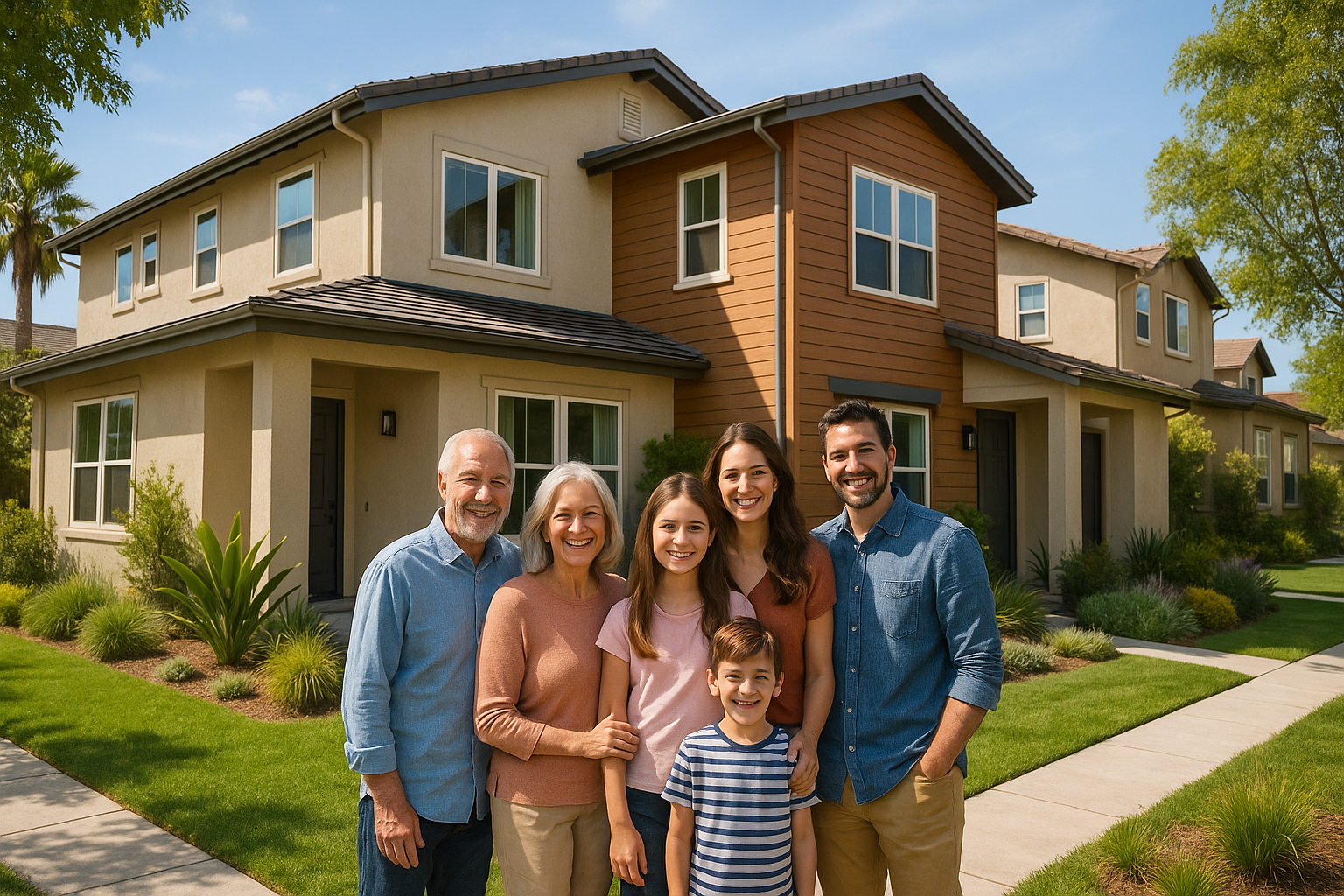
Across the U.S., multi-generational living is more than a trend, it’s a shift. According to Pew Research, one in five Americans now lives in a multi-generational household. In cities like Lincoln, CA, this lifestyle is especially attractive due to rising housing prices and the strong sense of family in the community.
Millennials caring for aging parents, Gen Xers managing college debt for their kids, and retirees supporting grandkids, these dynamics are reshaping how people buy homes. Lincoln’s suburban feel, excellent schools, and safe neighborhoods make it an ideal place to bring multiple generations under one roof.
What Is a Multi-Generational Home?
A multi-generational home is a residence designed to house two or more adult generations. This often includes:
- Parents and adult children
- Grandparents and grandchildren
- Multiple siblings and their families
These homes typically include separate entrances, in-law suites, multiple kitchens, or at least clearly defined private areas.
Benefits of Buying a Multi-Generational Home in Lincoln, CA
1. Shared Costs = Lower Expenses
By pooling financial resources, families can afford larger properties without stretching any one member too thin. This shared approach makes living in desirable neighborhoods more attainable.
2. Built-In Childcare and Elder Support
With grandparents nearby, families often save on childcare while elders get the benefit of companionship and assistance.
3. Stronger Family Bonds
Living together fosters deeper intergenerational relationships, which can enhance emotional well-being.
4. Tax and Mortgage Benefits
Depending on how the loan is structured, multiple income streams can help qualify for larger mortgage amounts. There may also be (internal link) tax breaks for caregivers or home improvement credits when modifying homes for accessibility.
Challenges to Be Aware Of
Buying a home for multiple generations is not without its challenges. You’ll need to consider:
- Privacy concerns
- Zoning regulations
- Floorplan limitations
- Financing complexities
- Family dynamics
Being proactive in your planning and working with a knowledgeable Lincoln-based mortgage advisor — can help mitigate these issues early.
Step-by-Step Guide to Buying a Multi-Generational Home
Step 1: Have the “Money Talk”
Before browsing homes, align on budget, responsibilities, and long-term expectations with all adult contributors. Discuss:
- Down payment sources
- Monthly contribution amounts
- Ownership shares and future plans
Step 2: Partner With a Local Expert
A mortgage expert in Lincoln who understands multi-generational needs can help you find the right loan products and home inventory.
Step 3: Get Pre-Approved — Together
Your combined household income may help you qualify for a larger loan. Work with a lender to pre-approve all contributing family members (if applicable).
Step 4: Find the Right Property
Look for homes with separate entrances, multiple bathrooms, dual kitchens, or layout potential for conversion (like garage ADUs).
Step 5: Finalize the Legal Structure
Consult a real estate attorney to draft co-ownership agreements, especially if the home is being purchased jointly. It protects everyone.
How to Finance a Multi-Generational Home
1. Conventional Loans With Multiple Co-Borrowers
Multiple family members can apply as co-borrowers on a conventional mortgage. This is one of the most straightforward approaches.
2. FHA Loans
FHA loans are flexible and allow for lower credit scores and down payments. Multiple borrowers can still qualify together.
3. VA Loans (if applicable)
If a family member is a qualified veteran, a VA loan can be used for multi-generational homes with $0 down and no PMI.
4. Renovation Loans
If you find a great home that needs upgrades to suit your family, renovation loans like FHA 203(k) or Fannie Mae HomeStyle could help finance the improvements.
5. Accessory Dwelling Units (ADUs)
Lincoln allows for ADUs (granny flats) in many zones. Financing options include personal loans, home equity, or refinance-cash out (internal link).
Best Neighborhoods in Lincoln, CA for Multi-Generational Living
1. Twelve Bridges
With larger modern homes, quiet streets, and proximity to shopping, this area is ideal for families looking to live together comfortably.
2. Lincoln Crossing
Many homes here feature four or five bedrooms and multiple living spaces. The HOA amenities are a bonus for kids and seniors alike.
3. Downtown Lincoln
Older homes with larger lots may be better suited for remodeling or adding an ADU. A great option for families wanting walkability and charm.
Home Features to Prioritize
When house hunting for a multi-generational home, look for:
- First-floor bedrooms or suites
- Multiple living areas
- Dual kitchens or kitchenette-ready spaces
- Separate entrances or split-level designs
- Garage conversion potential
- Wide hallways and ADA-friendly bathrooms
These features improve livability and future resale value.
How to Save Money on Your Purchase
1. Use Gift Funds or Shared Down Payments
Many multi-generational buyers combine resources. Verify the rules for using gift funds if some are not on the loan.
2. Explore First-Time Buyer Grants
If one family member is a first-time buyer, they may qualify for California state grants that can reduce costs.
3. Consider Fixer-Uppers
With a larger household, you may have more hands to help with renovations. A fixer-upper can be turned into a perfect fit with the right strategy.
4. Lock in a Rate Early
In a rising rate environment, securing a mortgage rate lock can save thousands over the life of the loan.
How to Legally Structure Ownership in a Multi-Generational Purchase
When more than one family unit contributes to the purchase of a home, clear legal ownership is essential to avoid future disputes or tax issues. In California, families typically use one of the following ownership structures:
Joint Tenancy
In this arrangement, all parties share equal ownership, and when one owner passes away, their share automatically transfers to the remaining owners. This structure is simple but may not be suitable if one family contributes significantly more to the down payment.
Tenants in Common (TIC)
With TIC, each party can own an unequal share of the home. This flexibility makes it a popular option for multi-generational households. Each owner can sell or transfer their share independently, making estate planning easier but possibly more complex legally.
Living Trusts
Some families use a living trust to hold the property title. This allows for smoother asset transfer to heirs and helps avoid probate. Trusts are especially useful if you’re planning to keep the property in the family across generations.
Tip: Always consult a local real estate attorney to structure ownership in a way that aligns with your family’s financial contributions and long-term goals.
Estate Planning Considerations for Multi-Generational Buyers
Buying a home with your family has lasting implications, especially when it comes to estate planning. Consider these steps:
- Create a Written Agreement: Clearly document who owns what percentage and what happens if someone wants to sell or passes away.
- Name Successor Trustees: If the home is placed in a trust, name successors who can manage the property.
- Address Inheritance Concerns: Discuss how equity will be passed down to the next generation. Will the property be sold and profits split? Will one child inherit the home?
Planning early helps avoid emotional and legal complications later especially with multiple heirs or blended families.
Renovation Ideas to Customize Your Home for Extended Family
Multi-generational homes often require thoughtful customization. Here are renovation ideas that offer comfort and privacy for everyone:
- Convert Garages into In-Law Suites: This is common in Lincoln, where many homes have detached or spacious garages.
- Add Pocket Doors or Sliding Partitions: These create temporary separation in shared spaces.
- Install a Secondary Kitchen or Wet Bar: Especially useful for in-law quarters.
- Create Dual Entryways: Offering privacy for younger or older family members.
- Upgrade Bathrooms for Accessibility: Think grab bars, no-step showers, and wider doors for mobility aids.
Lincoln’s housing stock is very adaptable, especially in neighborhoods like Lincoln Crossing and Twelve Bridges.
Zoning and Building Code Considerations in Lincoln, CA
Before converting a garage or building an Accessory Dwelling Unit (ADU), check local zoning and building code regulations.
Key Points for Lincoln, CA:
- Single-family homes can usually add one ADU and one JADU (Junior ADU).
- Detached ADUs must meet rear/side yard setbacks and cannot exceed 1,200 square feet.
- Conversion ADUs (like garages or basements) are subject to fire, electrical, and health codes.
- Owner-occupancy rules were suspended until 2025 but may return depending on state updates.
Always consult with the City of Lincoln Planning Department or a local contractor before starting work.
Navigating HOA Rules for Multi-Generational Living
Many Lincoln neighborhoods, such as Lincoln Crossing, have active Homeowners Associations (HOAs). HOAs often have rules that affect:
- Number of unrelated occupants per home
- Garage conversions and exterior alterations
- Rental of portions of the home (for example, renting an in-law suite)
Request and review the Covenants, Conditions, and Restrictions (CC&Rs) before buying. Some HOAs limit ADUs or require architectural review prior to renovations.
Final Thoughts
Buying a multi-generational home in Lincoln, CA doesn’t have to be overwhelming or unaffordable. With proper planning, open communication, and expert local guidance, your family can find a place to thrive together.
This type of purchase is more than just a financial decision, it’s a long-term investment in your family’s future. Whether you’re moving in aging parents, helping adult kids get on their feet, or simply want to stay closer as a family, the Lincoln market offers the space and community to make it happen.
FAQs
Can you use an FHA loan to buy a multi-generational home?
Yes, FHA loans can be used for multi-generational homes, especially those with up to four units. All co-borrowers must meet FHA eligibility.
What’s the difference between a multi-family and multi-generational home?
A multi-family home typically has separate legal units (like a duplex). A multi-generational home is one single-family residence shared by multiple generations.
Can family gift funds be used as a down payment?
Absolutely — many loan programs allow this. Just make sure to document it properly with a gift letter and source of funds.
Are there specific zoning laws for multi-generational homes in Lincoln?
Lincoln generally allows ADUs and larger family homes in residential zones, but always verify with the local planning department.
Is it cheaper to build or buy a multi-generational home?
Buying is often faster and more affordable, but building can give you custom features. It depends on land availability and your budget.


